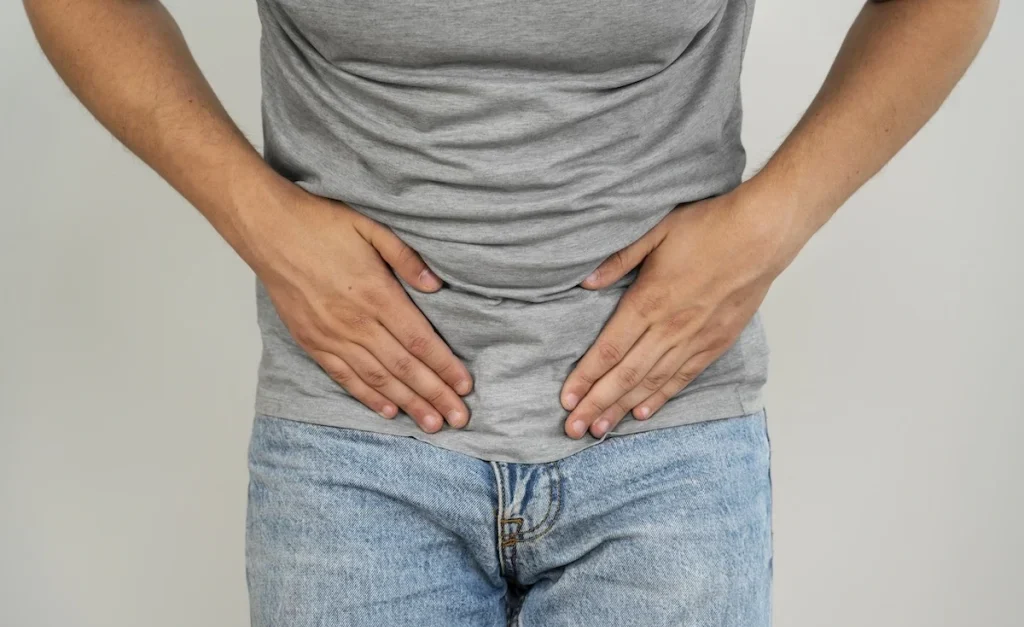
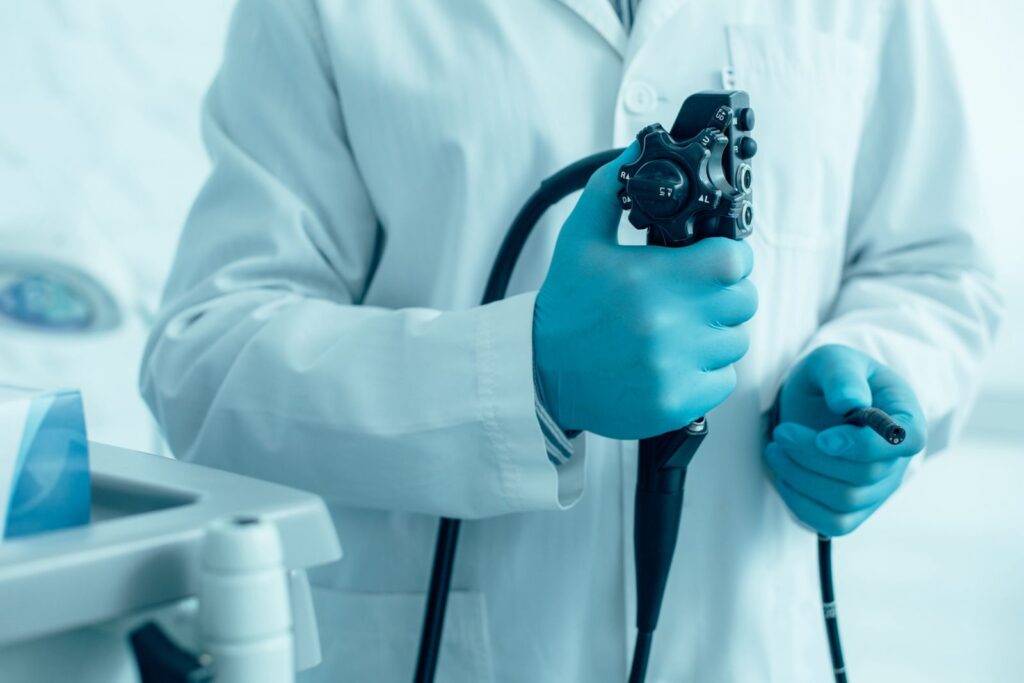
The Importance of Colonoscopy for Colorectal Cancer Prevention
- Written by: Dr Mark Wong
- Date: 10 December 2024
- Reading Time: 9 - 11 Minutes

Dr Mark Wong MBBS, M.Med, FRCSEd, FAMS
Colorectal cancer is rising, especially among younger adults. Learn how Colonoscopy plays a key role in detecting colorectal cancer early—helping to reduce risk and support timely treatment.
Table of Contents
Introduction
I’m Dr Mark Wong, and I want to talk to you about an important topic that saves lives: Colorectal cancer screening.
Colorectal cancer is a major health concern worldwide, and its incidence is rising, particularly among younger adults. In Indonesia alone, an estimated 34,189 new cases were reported in 2020, making it the fourth most prevalent cancer in the country.
Many people aren’t aware that regular screening with Colonoscopy can prevent Colorectal cancer by allowing us to detect and remove precancerous growths, called polyps, before they turn into malignant cancers. A Colonoscopy is not only diagnostic, but also therapeutic!
By doing a colonoscopy from the age of 45 years old – or younger if you have symptoms or a family history of cancer – even if you feel well, you also have a much better chance of detecting a cancer early, when treatment outcomes are much better.
In this blog, I’ll walk you through why Colonoscopy is widely regarded as the most reliable method for Colorectal cancer screening and how it can be a powerful tool in preventing cancer, especially for younger adults who may not realize they’re at risk. Let’s take this journey together to better understand how to protect ourselves from Colorectal cancer.
Understanding Colorectal Cancer
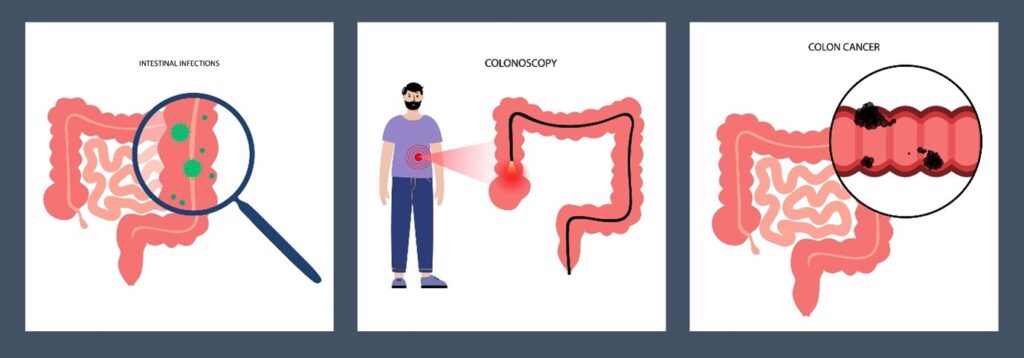
Colorectal cancer arises in the colon or rectum, which are parts of the large intestine and play a vital role in our digestive system. This cancer begins as benign polyps that form on the inner walls of the colon or rectum. These polyps can grow larger and, if left untreated, may develop into malignant tumors. This progression highlights the importance of timely screening, as it provides a critical window of opportunity for early intervention.
Symptoms of Colorectal Cancer
The majority of colorectal cancers show no symptoms in the early stages. When symptoms do arise, they may include blood in the stool, persistent abdominal discomfort, fatigue, unexplained loss of appetite or weight, and changes in bowel habits, such as diarrhea, constipation, or narrowing of the stool. Because these symptoms can overlap with less serious conditions such as hemorrhoids (or piles), they’re often ignored or misinterpreted, which can lead to a dangerous delay in diagnosis.
Risk Factors
Risk factors are broadly divided into 2 groups, non-modifiable and modifiable.
Non-modifiable factors include age, especially for those over 50, as well as a family history of colorectal cancer or polyps. Modifiable factors include lifestyle factors such as smoking, alcohol, obesity, and a diet rich in processed meats and low in fiber.
While we cannot eliminate non-modifiable risks, adopting a healthy lifestyle helps mitigate modifiable factors. Additionally, taking proactive measures, such as scheduling colonoscopies at appropriate intervals, significantly aids in colorectal cancer prevention.
The Role of Screening in Colorectal Cancer Prevention
What is Screening
Screening refers to measures taken to detect diseases in their pre-cancerous stages, thereby improving outcomes and saving lives. The fact that Colorectal cancer often takes years to develop from a small benign polyp, allows us to potentially intervene and remove these polyps before they become a cancer. However, this requires you to proactively come for screening Colonoscopy at regular intervals even if you feel well and do not have any symptoms.
Reducing Mortality Through Early Treatment
Studies have shown that early-stage colorectal cancer, when detected through regular screening, is associated with significantly better outcomes and survival rates.When caught early, the 5-year survival rate is about 90%. However, at advanced stages, when cancer has spread beyond the colon or rectum, survival rates drop significantly. In younger adults under 50, colorectal cancer is often more advanced at diagnosis due to misattributed or overlooked symptoms, emphasizing the importance of proactive screening.
Colonoscopy: The Gold Standard in Screening
Colonoscopy is the most reliable method of Colorectal cancer screening. It’s a specialized procedure that allows me to examine the inner lining of the entire colon and rectum, identify any abnormalities like polyps or cancer, and remove polyps or take biopsies to confirm a cancer, respectively.
It is recommended that the first Colonoscopy start at the age of 45, or 10 years before the youngest age of Colorectal cancer in your family, whichever comes earlier. If you have any of the symptoms mentioned earlier, you may need a Colonoscopy sooner; I will assess your symptoms and risk factors and provide tailored advice on when to start your screening journey.
Proactive screening guided by specialist advice is crucial to detecting problems early before they become life-threatening. Screening helps detect cancer early.
What is a Colonoscopy?

A Colonoscopy is a medical procedure performed only by trained specialist like myself, that allows me to examine the inside of your colon and rectum. Using a thin, flexible tube with a high-definition camera at the end, I carefully navigate through the large intestine to check for any abnormalities, such as polyps or cancer. This procedure is invaluable as both a diagnostic tool (to detect polyps and cancer) and therapeutic device (as I can remove precancerous polyps on the spot before they develop into cancer).
At Mark Wong Surgery, the cost of a colonoscopy is SGD 1,200. Additional charges may apply based on clinical findings (e.g. polyp removal, histology, anesthesia).
What to Expect During a Colonoscopy
Preparing for a colonoscopy may seem daunting, but it’s easier than you think. My team and I will guide you through each step. The process involves following a set of clear instructions in a video and a personalized brochure provided to you; Three days prior, avoid high-fiber foods such as vegetables and fruits, and follow a clear liquid diet one day before the procedure. On the evening before the procedure, you will need to consume a solution to clean your colon, which is essential for ensuring we get a clear view for detecting polyps and other abnormalities.
Addressing common misconceptions
On the day of the colonoscopy, you should be accompanied and do not drive. The procedure typically takes between 30 to 40 minutes, and though you’ll be closely monitored and comfortably asleep throughout and feel no pain. This is called monitored sedation (not general anesthesia) and compared to general anesthesia, it is safer and with less side-effects, using monitored sedation to reduce discomfort and support a smooth recovery. Patients are able to eat immediately after the procedure, only need to spend half a day in hospital, and are back to work and sports the following day.
Safety, Comfort, and Effectiveness
Colonoscopy is a comfortable and effective procedure, with a low complication rate. Modern sedation techniques and advanced tools make the experience safe, even for the elderly. We should all be proactive and undergo screening Colonoscopy with confidence, because taking this important step will make a lasting difference for your health.
Why Choose Colonoscopy Over Other Screening Methods?
When it comes to screening for colorectal cancer, there are a few options available, and Colonoscopy remains the most reliable method. Other options include a stool test called FIT (faecal immunohistochemical test) and CT colonography, both of which have more limitations.
The FIT is used to detect microscopic traces of blood in the stool, invisible to the naked eye, which could be from a polyp or cancer. This can be done in the comfort of your own home and should be done once a year.
CT colonography, or “virtual colonoscopy,” uses CT imaging to examine the colon and rectum, to identify polyps. However, it cannot remove polyps if they are found, which means a follow-up colonoscopy will still be necessary. It also involves drinking a solution to clear your stool, and air is pumped into your colon while you are still awake.
The Advantages of Colonoscopy
Colonoscopy provides a comprehensive examination of the entire colon and rectum, enabling direct visualization and immediate removal of polyps, which can prevent the development of cancer. This unique combination of detection and treatment makes it the most reliable methods currently used for colorectal cancer screening. With a sensitivity rate of up to 95% for detecting polyps and cancers, Colonoscopy provides a comprehensive view of the colon and rectum, offering high accuracy in detecting abnormalities.
Colonoscopy is safe and comfortable, offering the highest detection rate and enabling immediate action when necessary. This can make a critical difference in preventing cancer.
Dr Mark Wong’s Patient-Centered Approach to Colonoscopy Screening
With over 15 years of experience performing Colonoscopy and minimally invasive colorectal surgery, I have dedicated my practice to the detection, prevention and treatment of Colorectal cancer. As a colorectal surgeon, my aim is to always provide care that is thorough, safe, and tailored to your needs, ensuring comfort and safety throughout your Colonoscopy.
Personalized Care Before, During, and After the Procedure
Before the procedure, we will have a thorough discussion in my clinic about your medical history and address any concerns you may have. In addition, I will provide clear instructions on how to prepare for the procedure with an informative video and a personalized brochure, ensuring you feel confident and informed.
During the colonoscopy, your safety and comfort are my priority. An experienced anesthetist will administer your sedation and monitor your vital signs throughout, ensuring both your safety and comfort. This approach allows me to focus on performing a thorough Colonoscopy while you are safely asleep throughout.
After the procedure, I’ll personally review the findings with you in my clinic, explaining any results and discussing the next steps. Whether it’s scheduling follow-up care or providing lifestyle recommendations, I’m here to support you every step of the way.
Commitment to Comfort and Safety
Your well-being is at the heart of my practice. By combining advanced medical techniques with personalised care, I strive to make the Colonoscopy experience as comfortable and stress-free as possible. Together, we help you take proactive steps toward maintaining your health and preventing colorectal cancer.
Advanced Technology and Techniques Used by Dr Wong
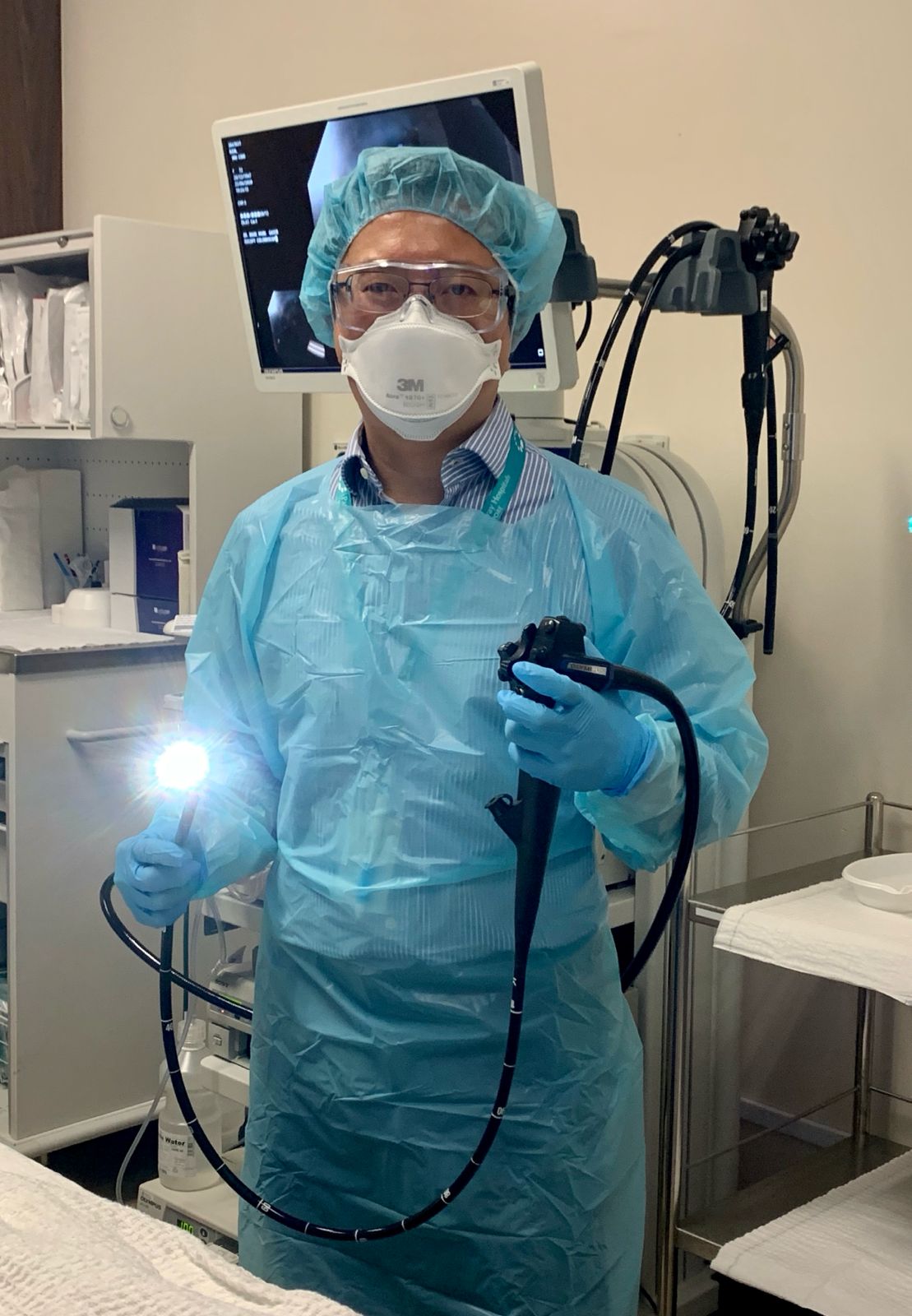
In my practice, I use modern techniques to enhance the accuracy and patient experience of your colonoscopy experience.
AI-Enabled Technology for Polyp Detection
AI tools are used during colonoscopies to support the detection of polyps and abnormalities with improved precision. This enhancement increases detection rates, ensuring the best outcomes for patients.
High-Definition Imaging and Narrow-Band Imaging
High-definition imaging provides clear visuals of the colon, enabling the detection of subtle tissue changes that could indicate early-stage cancer. Narrow-band imaging further enhances accuracy, allowing for earlier intervention.
Minimally Invasive Techniques for Polyp Removal
Polyps identified during a colonoscopy are removed immediately using minimally invasive techniques. For larger polyps, advanced methods such as endoscopic mucosal resection (EMR) are employed, reducing risks and promoting faster recovery.
Comfort-Driven Sedation and Pain Management
I understand that comfort is a major concern for many patients. I work with skilled anesthetists who help administer safe and effective sedation, ensuring you remain safely and comfortably asleep throughout the Colonoscopy. Techniques like carbon dioxide insufflation reduce bloating after the procedure, while propofol-based sedation offers a rapid and comfortable recovery.
By incorporating these advanced technologies and techniques, I aim to provide you with the with careful and accurate evaluation throughout the procedure, together with safety and comfort. You can feel reassured that your health is in experienced hands.
What Happens If Polyps or Cancer Are Found?
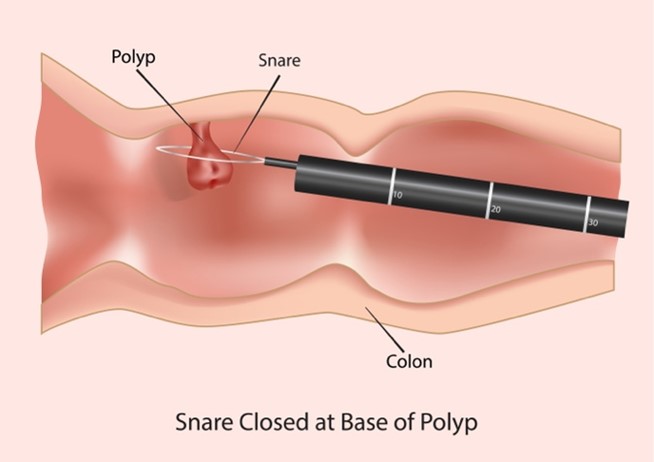
If polyps are detected during your Colonoscopy, they are safely removed on the spot while you are still comfortably asleep and sent for analysis. Majority of polyps are not cancerous, but we cannot predict which ones will eventually become cancer and thus we remove them for testing to be safe. I’ll discuss the results with you in detail, explaining what type of polyps were found and then advise when you will need your next Colonoscopy based on the findings.
Treatment Options for Colorectal Cancer
If colorectal cancer is diagnosed, I will continue to guide you on your journey by providing holistic and personalized care. I offer minimally invasive surgical options, such as laparoscopic and robotic procedures, which are designed to optimize results, while maximising comfort and minimising recovery time. In certain cases where surgery isn’t needed right away, I work with a team of compassionate specialists to explore other treatment options, including chemotherapy, radiotherapy and targeted therapies.
Your health is my priority, and my team and I are here to guide you through it with the expertise and care you deserve.
Why Choose Dr Mark Wong for Your Colorectal Cancer Screening?
When you choose Dr Mark Wong for colorectal and gastrointestinal care, you’re selecting a colorectal surgeon with specialized training in minimally invasive procedures. Dr Wong specializes in Colonoscopy and minimally invasive procedures, including laparoscopic and robotic surgery, which provide effective results with less discomfort and quicker recovery.
Dr Wong has completed advanced fellowships in Minimally Invasive Colorectal Cancer and Pelvic Floor Surgery in France and Denmark. His expertise allows him to handle challenging cases with precision, and he has shared his clinical findings at professional conferences in Europe and Asia.
At Mark Wong Surgery, we take steps to ensure that patients feel supported and at ease during their visit. The clinic offers empathetic communication, a Bahasa-speaking staff member, and 24/7 WhatsApp support to ensure culturally sensitive care for Indonesian patients.
Frequently Asked Questions (FAQ) about Colonoscopy for Colorectal Cancer Detection
- At what age should I start getting screened for colorectal cancer?
Screening is recommended to start at the age of 45, or earlier if you have risk factors like a family history of colorectal cancer or certain symptoms.
- How often should I have a colonoscopy?
For those with average risk, a colonoscopy is typically recommended every 5 years. However, your doctor may suggest a different schedule based on personal risk factors or findings from previous Colonoscopy like polyps.
- Is a colonoscopy painful?
A colonoscopy is not painful. Sedation is provided and patients are asleep throughout the procedure and are totally unaware and comfortable.
- What can I expect during the preparation for a colonoscopy?
Preparation usually involves following a specific diet and taking a bowel-cleansing solution. This ensures the colon is clean, allowing for an accurate examination.
- Are there any risks associated with colonoscopy?
Colonoscopy is a very safe procedure, but like any medical procedure, there are small risks, such as bleeding or perforation. Dr Wong and his team are experienced and use advanced techniques to minimize these risks.
- Can colonoscopy detect other conditions besides cancer?
Yes, colonoscopy can also help identify other conditions, such as inflammatory bowel disease (IBD), diverticulosis, and hemorrhoids (piles).
- What happens if polyps or cancer are found during the colonoscopy?
If polyps are found, they are typically removed during the procedure. If cancer is detected, Dr Wong will take biopsies to confirm the diagnosis, before discussing further diagnostic steps and treatment options, which may include minimally invasive surgery.
- How should I prepare for my appointment with Dr Mark Wong?
Before your appointment, make a note of any symptoms or family history of colorectal cancer. Dr Wong will discuss your risk factors and answer any questions to help personalize your screening plan.
Regular Colonoscopy screening is one of the most powerful tools we have in the fight against Colorectal cancer. With rising cases among younger adults, early detection and prevention have never been more important. Don’t wait until symptoms appear—take control of your health today. If you have any concerns or questions, I’m here to help you every step of the way. Together, we can make a proactive plan to safeguard your health into the future.