Why Laparoscopic Surgery for Gallstones Is the Best Choice
-
Written by: Dr Mark Wong
Reading time : 7 minutes

Dr Mark Wong MBBS, M.Med, FRCSEd, FAMS
Table of Contents
Introduction
Hello, I’m Dr Mark Wong. Gallstones are common and while they often go unnoticed, they can sometimes cause significant discomfort, such as abdominal bloating, pain, nausea, or even serious complications like jaundice, infections, and pancreatitis.
When it comes to effectively treating gallstones with minimal disruption to your daily life, laparoscopic surgery is the gold standard. This modern, minimally invasive procedure offers small wounds with less pain and a faster return to normal activities. It has proven to be a reliable solution for patients seeking lasting relief of such troublesome symptoms.
Understanding Gallstones
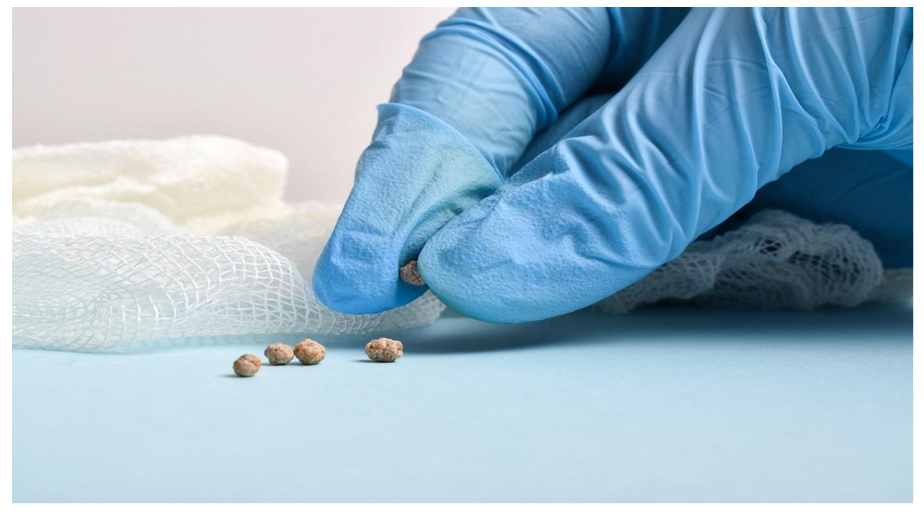
Gallstones are small, pebble-like masses that form in the gallbladder, a small organ under the liver that stores bile. Bile is a fluid produced by the liver to help digest fatty and oily foods. When you eat such foods, the gallbladder releases bile through small tubes called bile ducts into the small intestine to aid digestion.
These stones develop when substances in bile, like cholesterol or bile pigments, become excessive and crystallize. These stones can vary in size, from tiny grains to larger masses, and are different from kidney stones.
There are two main types of gallstones:
- Cholesterol stones: yellowish stones, the most common type.
- Pigment stones: dark green or brown stones made from excess bile salts.
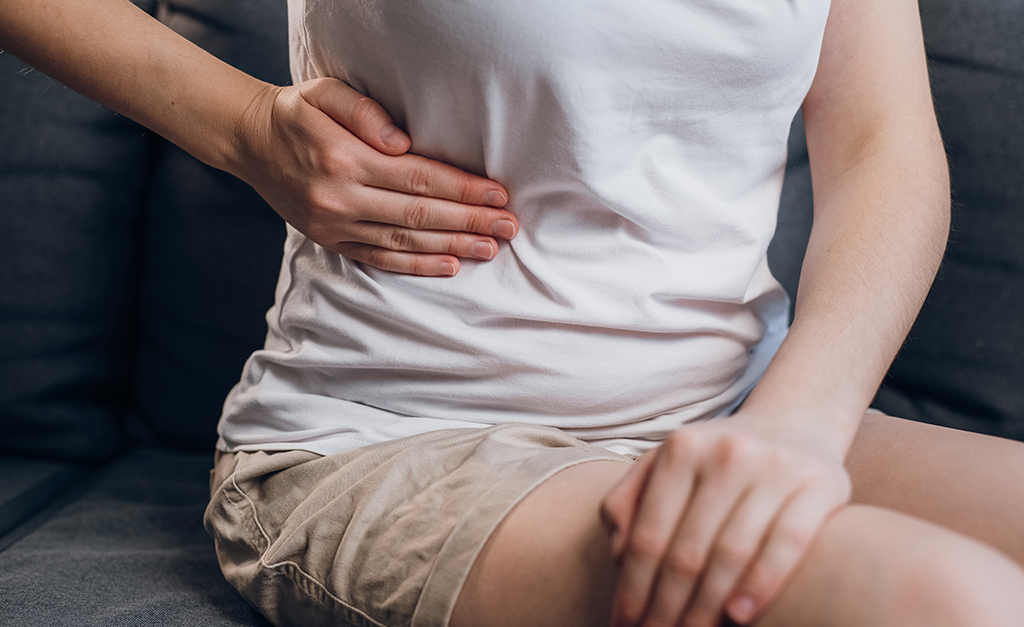
Gallstones can block the flow of bile, causing sharp pain in the upper right or central abdomen, nausea, or vomiting. These symptoms are often mistaken for gastritis, but typical medications provide little relief. If the blockage worsens, it can lead to jaundice (yellowing of the skin), severe pain, fever, and even life-threatening infections like cholangitis or pancreatitis.
Causes and Risk Factors of Gallstones
Gallstones develop when there’s an imbalance in bile, particularly with too much cholesterol or too few bile salts. Common risk factors include diets high in saturated fats, low in fiber, obesity, and being over 40.
Women are at higher risk due to hormonal factors like estrogen, as well as rapid weight loss or restrictive diets that can alter bile composition and lead to stone formation. Medical conditions like diabetes or liver disease also increase the risk.
To reduce your chances of developing gallstones, focus on a healthy lifestyle. Regular exercise and a balanced diet—including moderation in all food groups and limiting dietary fats—can help maintain proper bile balance.
When to Seek Treatment
If you have persistent abdominal bloating or pain, especially after a heavy or oily meal, and your symptoms don’t improve with gastric medications, it’s worth considering whether gallstones might be the cause. More urgently, if you experience fever, jaundice, pale stools, or dark urine, these are warning signs of a serious problem, and you should seek medical attention immediately. These symptoms could indicate complications like gallbladder inflammation (cholecystitis) or pancreatitis, both of which require urgent care.
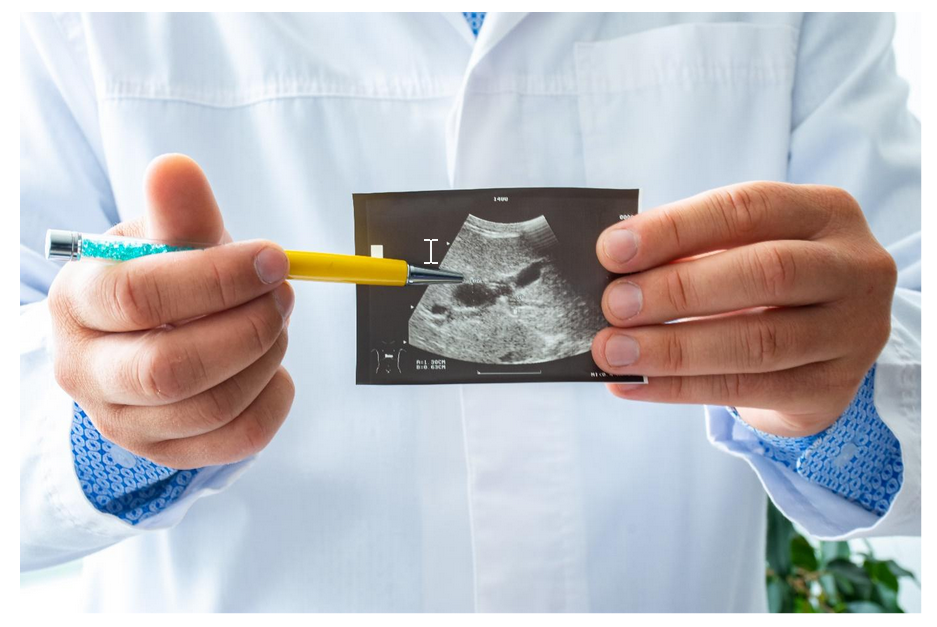
Gallstones are most reliably diagnosed with a simple ultrasound. If blocked ducts are suspected, blood tests and advanced imaging like an MRI may also be needed. Seeking prompt medical attention can help you avoid complications and support a smoother recovery.
Treatment Options for Gallstones
The treatment for gallstones depends on factors like your age, lifestyle, and symptom severity. Since no medication can effectively remove gallstones, surgery is the most reliable option.
For younger individuals with an active lifestyle and several or large gallstones, even without symptoms, surgery is a good choice to prevent future complications. Over time, the stones are likely to grow in size and number, increasing risks.
For those with mild symptoms, non-surgical options like dietary adjustments, medication, or watchful waiting may be considered. However, these methods often take months, have limited success, and are not effective for larger or multiple stones.
When symptoms persist or complications develop, surgery is the best solution. Laparoscopic cholecystectomy, the Gold Standard worldwide, safely removes the gallbladder and stones through four small incisions, offering minimal discomfort and a quick recovery.
What is a Laparoscopic Gallstone Surgery (Cholecystectomy)?
Laparoscopic cholecystectomy is a minimally invasive procedure to remove the gallbladder along with the stones inside it. Performed under general anesthesia, the surgery usually takes 1 to 2 hours, depending on the complexity.
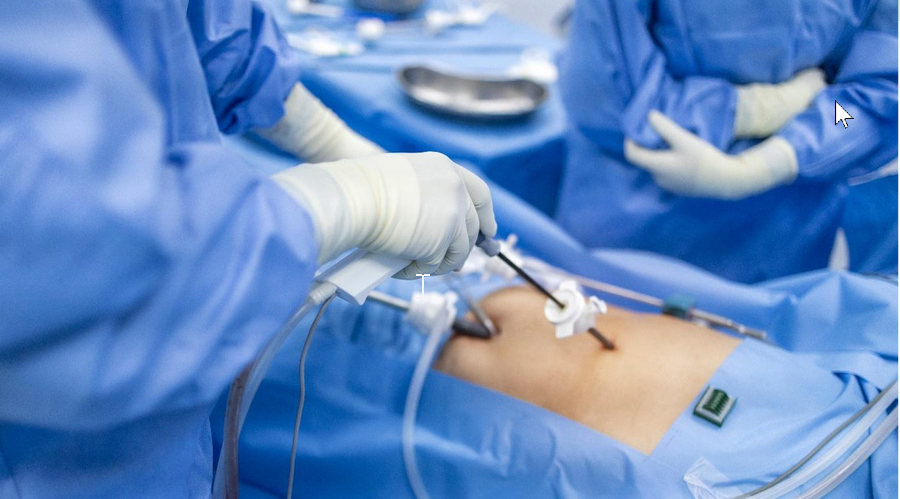
It involves making 4 small incisions in the abdomen, through which a camera (laparoscope) and surgical instruments are inserted. This allows the surgeon to safely remove the gallbladder while minimizing damage to surrounding tissues.
Most patients stay in the hospital for 1-2 nights, return to work within a week, and resume exercise after two weeks. The entire gallbladder is removed because it is already unhealthy. Simply removing the stones poses a higher risk of infection and complications, as more stones can form in the future.
After your gallbladder is removed, your liver will still produce bile, which is essential for digesting fats. However, instead of being stored in the gallbladder, bile will flow directly from the liver to the small intestine.
Open cholecystectomy is now reserved for complex cases or surgical emergencies, such as perforation, or if the laparoscopic approach needs to be converted. In such cases, the open method provides better visibility and ensures safety during the procedure.
Dr Mark Wong’s Approach to Laparoscopic Cholecystectomy
With years of experience performing laparoscopic cholecystectomy, I take pride in providing patient-centered care tailored to each individual’s needs. My approach begins with a thorough pre-operative evaluation to ensure the procedure is suitable for you. Together, we discuss your symptoms, medical history, and any concerns to create a personalized surgical plan.
During surgery, I use advanced laparoscopic techniques and state-of-the-art technology to achieve the best outcomes in a safe environment. This minimally invasive approach ensures smaller scars, reduced discomfort and faster recovery for my patients. After surgery, I will provide detailed post-operative guidance to support your recovery every step of the way.
I believe in open communication and empowering my patients with the knowledge they need to feel confident in the care they receive. Your peace of mind is as important as your physical recovery, and we’re dedicated to supporting you every step of the way.
Preparing for Laparoscopic Gallstone Surgery
Proper preparation ensures a smooth surgery and recovery. In the weeks leading up to surgery, maintaining a balanced, low-fat diet and staying hydrated can support overall health. Avoid smoking and alcohol to promote better healing.
Patients will also be advised to stop blood thinners for up to a week before surgery, in consultation with the doctors who prescribed them to ensure it is safe to do so. Before the procedure, patients are typically advised to fast for 6 hours.
What to Expect During and After the Surgery
Laparoscopic cholecystectomy is performed under general anesthesia and typically takes 1–2 hours. During the procedure, small incisions are made to insert a camera and surgical instruments, allowing for precise removal of the gallbladder. Most patients are discharged after 1-2 nights in the hospital.
Post-operative is easily managed with medications. Patients can take fluids on the day of surgery and eating solids by the time they are discharged home. Patients usually return to work in 1 week and are back to exercising after 1 month.
Finally, patients can live a normal life without a gallbladder, although there is a period of up to 1 to 2 months where taking oily foods may cause some bloating and loose stools, but this is only temporary. Patients can still consume and digest fat and oily foods after surgery, since the bile is still produced and now stored in the liver itself.
Why Choose Dr Mark Wong for Laparoscopic Gallstone Surgery?
Choosing me as your surgeon means receiving expert, compassionate care. As a Senior Consultant surgeon with specialized training in minimally invasive procedures, I focus on techniques like laparoscopic and robotic surgery that minimize pain and recovery time, helping you return to daily activities sooner.
I’ve completed a prestigious double fellowship in Minimally Invasive Colorectal Cancer and Pelvic Floor Surgery in France and Denmark, enabling me to handle even complex cases with precision. As a frequent speaker at international conferences, I remain at the forefront of advanced surgical techniques.
At Mark Wong Surgery, my team and I provide a “home-away-from-home” experience, ensuring open communication and support. For Indonesian patients, we offer Bahasa-speaking staff and 24/7 WhatsApp assistance to meet your needs. Patients often describe me as a trusted partner who listens, addresses concerns, and provides care with professionalism and kindness. Together, we’ll ensure your journey is smooth and comfortable.
Frequently Asked Questions (FAQs)
- What are gallstones, and why do they form?
Gallstones are pebble-like masses that develop in the gallbladder when bile contains too much cholesterol or bile salts. These imbalances result in crystallization, forming stones of various sizes. - What are the symptoms of gallstones?
Many people with gallstones experience no symptoms. However, some may have sudden, intense pain in the upper right or central abdomen, bloating, belching, nausea or vomiting, especially after meals. Fever and jaundice are more serious and require urgent attention. - How are gallstones diagnosed?
Gallstones are typically diagnosed through imaging techniques like ultrasound, which can detect even small stones. Additional scans like MRI may be used for more complex cases or complications. - Why do doctors recommend laparoscopic surgery for gallstones?
Laparoscopic surgery is the Gold Standard for removing the gallstones; it is minimally invasive, involving small incisions, less pain, shorter hospital stays, and faster recovery compared to traditional open surgery. - What can I expect during recovery from laparoscopic gallstone surgery?
Most patients recover quickly, resuming normal activities within a week. Pain is manageable with medication, and there are no long-term dietary restrictions. - Can I live without a gallbladder?
Yes, you can live without a gallbladder. Your liver still produces bile for digestion. Instead of being stored in the gallbladder, it flows directly to your intestine. Most people adjust well with minor dietary changes.