Laparoscopic Hernia Surgery: What You Need to Know
-
Written by: Dr Mark Wong
Reading time: 8 minutes

Dr Mark Wong MBBS, M.Med, FRCSEd, FAMS
Table of Contents

Understanding Hernias and the Path to Relief
Hello, and welcome. I’m Dr Mark Wong, and I understand that dealing with a hernia can be both a physically and emotionally taxing experience.
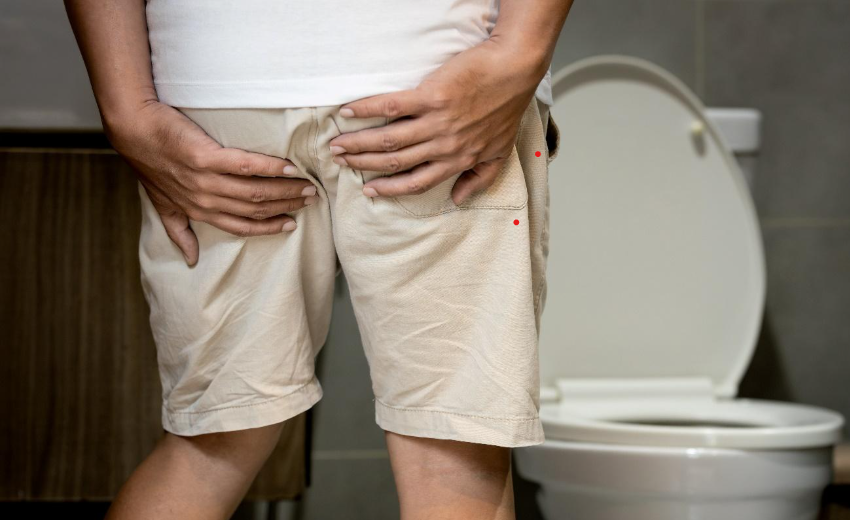
A hernia occurs when an organ or tissue pushes through a weak spot in the surrounding muscle or tissue, causing a visible lump and sometimes pain or discomfort. This can impact your daily activities and quality of life, especially if you’re active. Early surgical treatment not only prevents complications but also allows for a smoother recovery and quicker return to your normal activities.
In this blog, I’ll guide you through the details of laparoscopic hernia surgery, a minimally invasive option that offers significant benefits over traditional surgery. With fewer complications, minimal scarring, and faster recovery times, laparoscopic surgery provides a safe and effective solution to restore your quality of life.
What Is a Hernia and Why They Matter
A hernia occurs when an organ or tissue pushes through a weak spot in the surrounding muscle or tissue, often in the abdomen. This weakness can be present from birth or develop over time due to factors like aging, heavy lifting, chronic coughing, or past surgeries that strain the abdominal muscles.
There are several types of hernia. Inguinal hernia, the most common type, develop in the groin. Umbilical hernia develops near the belly button, especially in those who are overweight. Incisional hernia form at the site of previous surgeries, where the abdominal wall may have been weakened by prior incisions.
Common hernia symptoms include a visible bulge or lump that tends to enlarge when standing, coughing, or straining. Pain or discomfort is also common, especially as more tissue comes out and the hernia enlarges.
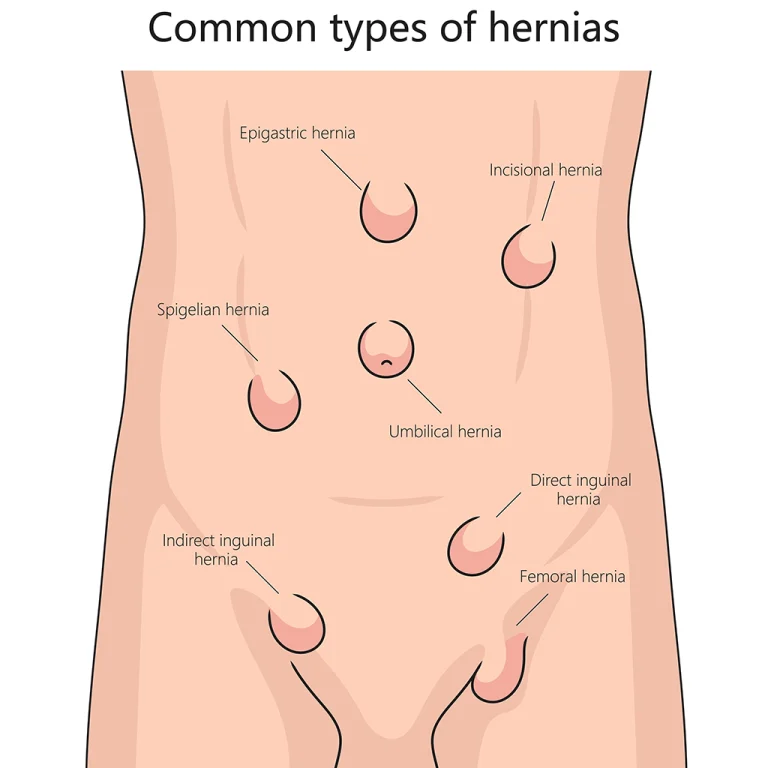
If left untreated, hernias can lead to serious complications; Incarceration occurs when the tissue becomes trapped, while strangulation happens when the blood supply to that tissue is cut off, which can result in tissue death and requires emergency care.
Early diagnosis and treatment can prevent these complications, allowing for minimally invasive surgery to be used for a quicker recovery.
Causes and Risk Factors for Hernias
Hernias develop due to a combination of muscle weakness and strain. This can happen for various reasons, but understanding the causes and risk factors can help you take preventative steps.
Muscle weakness may be congenital or acquired over time. Factors like ageing can weaken the abdominal muscles, making hernias more likely, especially when combined with heavy lifting, from improper lifting techniques that place excessive strain on the abdomen, as well as jobs requiring frequent heavy lifting.
Chronic coughing, common in smokers or individuals with respiratory conditions, also puts prolonged pressure on the abdominal wall, increasing hernia risk.
Obesity is another major factor, as excess weight places continuous strain on the abdomen, creating conditions favorable for hernia development.
A family history of hernias can indicate a genetic predisposition to weaker connective tissues. Gender is another factor—inguinal hernias are more common in men due to anatomical differences.
Previous surgeries, especially in the abdomen, can leave weakened areas prone to incisional hernia formation, especially if there were complications like infections.
Lifestyle habits can further influence hernia risk. Smoking weakens connective tissues and impacts blood flow, making recovery from strain slower and increasing the chances of a hernia. Poor nutrition, especially a low-protein diet, can lead to muscle weakness and contributes to hernia formation.
Understanding these causes and risk factors can be a helpful first step in managing or preventing hernias. Taking steps like practicing good lifting techniques, maintaining a healthy weight and diet, avoiding smoking, and staying active can help reduce your risk of hernia and improve your overall health.
Diagnosing Hernias – What to Expect
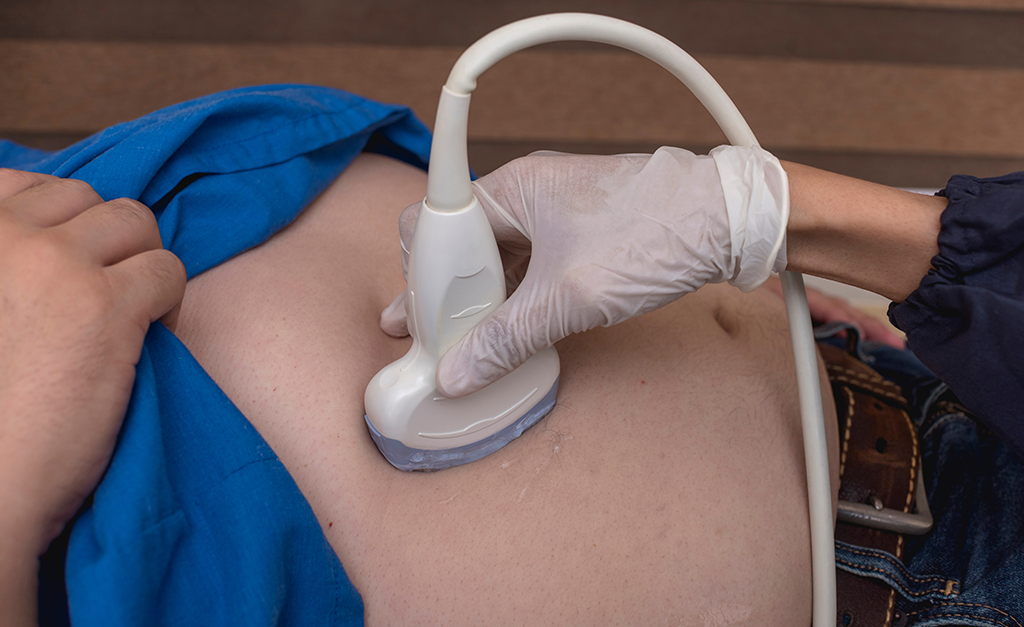
Diagnosing a hernia usually involves a physical examination. I may ask you to stand, cough, or perform specific movements to detect the hernia. An ultrasound of the groin can help confirm small hernias, identify the type (direct or indirect inguinal), and check for hernias on both sides, which occur in 30% of cases. If both sides are affected, they can be treated during the same laparoscopic surgery using the same incisions.
What is Laparoscopic Hernia Surgery
Laparoscopic surgery is now the preferred choice for its minimally invasive approach. During the procedure, I make up to three small incisions (about 0.5 to 1 cm) in the abdomen. A thin camera, called a laparoscope, is inserted through one incision to provide a clear view of the hernia on a monitor. This allows precise repair without needing a large incision. Specialized instruments are inserted through the other incisions to repair the hernia, and surgical mesh is inserted to strengthen the area and lower the risk of recurrence.
One of the biggest advantages of laparoscopic surgery over open surgery is the use of smaller incisions, which means less pain, a shorter hospital stays, and a quicker return to your normal routine. Since many hernia patients are young or lead active lifestyles, this is a game-changer, allowing you to get back to doing what you love faster and with greater ease.
The laparoscopic approach is especially beneficial for bilateral inguinal hernias, as it uses the same three small incisions to treat both sides, unlike open surgery, which requires two larger cuts. It’s also ideal for recurrent hernias, as it avoids scar tissue from previous open surgeries.
For incisional and umbilical hernias, laparoscopic surgery offers similar advantages, including smaller incisions and quicker recovery. However, for very large hernias or cases of strangulation, open surgery may be a better option.
Dr Mark Wong’s Approach to Laparoscopic Hernia Surgery
My approach to hernia repair focuses on safe, effective, and personalized care. With extensive experience in laparoscopic hernia surgeries, I’ve helped many patients recover faster, with minimal scarring and fewer complications. My background in minimally invasive surgery means I’m committed to using the latest techniques to enhance patient outcomes and comfort.
Every patient is unique, so I provide a tailored approach from diagnosis to recovery. During your consultation, I’ll perform a thorough assessment, review your medical history, and, if needed, use imaging to diagnose the hernia accurately and determine the best treatment.
Together, we’ll create a personalized surgical plan that suits your health needs and lifestyle goals, ensuring you feel informed and confident every step of the way.
In surgery, I use advanced laparoscopic techniques and specialized equipment to achieve precise mesh placement while minimizing tissue trauma. This approach reduces pain, speeds recovery, and delivers better results.
After the procedure, I provide attentive follow-up care to support healing, address any concerns, and guide you in safely resuming daily activities.
By choosing laparoscopic hernia surgery with my team, you’re investing in expert, personalized care designed to deliver faster recovery, greater comfort, and a swift return to the quality of life you deserve.
Preparing for Laparoscopic Hernia Surgery
Preparing for laparoscopic hernia surgery is an important part of ensuring a successful procedure and smooth recovery. Before surgery, I’ll conduct a thorough pre-operative assessment to confirm your overall health and readiness for the procedure.
My team and I will provide personalized instructions in the days leading up to surgery. You will need to stop eating and drinking at least 6 hours before surgery. Certain medications, such as blood thinners or supplements, will need to be stopped temporarily to reduce risks. If you smoke, quitting before surgery is strongly encouraged, as it helps improve healing and lowers the risk of infection.
Up to the day before surgery, we’ll remind you of all key instructions and remain available to address any last-minute questions. Our goal is to make sure you feel fully supported and prepared, so you can go into surgery with confidence and peace of mind.
What to Expect During and After the Surgery
The procedure is done under general anesthesia, meaning you’ll be comfortably asleep and won’t feel any pain. The surgery usually takes about an hour, depending on the complexity of the hernia. I’ll make three small incisions to access the hernia, using a laparoscope and specialized instruments to repair the hernia, and reinforce the affected area with a surgical mesh. Most patients can return home on the same day.
After surgery, a typical recovery timeline includes several stages. During the first few days, it’s normal to feel some soreness around the incision sites. Pain medication will be provided to keep you comfortable at home. Walking is encouraged but activities like squatting and lifting should be avoided.
Over the first two weeks, the discomfort should decrease, and most patients are back to work after 2 weeks. Wounds should have healed by 4 to 6 weeks and normal exercise can then resume gradually.
Why Choose Dr Mark Wong for Laparoscopic Hernia Surgery?
Choosing Dr Mark Wong for hernia care means trusting an experienced, compassionate surgeon skilled in laparoscopic and minimally invasive procedures. With specialized training, including dual Ministry of Health fellowships in Minimally Invasive Colorectal Cancer and Pelvic Floor Surgery in France and Denmark, Dr Wong handles everything from straightforward to complex hernia cases with precision, focusing on reducing recovery time and discomfort.
At his clinic, Dr Wong and his team provide a welcoming, supportive environment where patients feel heard and cared for. He values open communication, taking the time to answer questions and address concerns, ensuring patients feel informed and confident throughout their treatment. For Indonesian patients, the clinic offers a Bahasa-speaking staff member and 24/7 WhatsApp support for guidance and reassurance at every stage.
With a focus on patient comfort, cutting-edge surgical technology, and a proven track record of successful outcomes, Dr Wong provides expert hernia repair with compassionate, patient-centered care every step of the way.
Frequently Asked Questions (FAQ) about Laparoscopic Hernia Surgery
- What is the difference between laparoscopic and open hernia surgery?Laparoscopic surgery is minimally invasive, using small incisions and a camera to guide the procedure. Open surgery requires a larger incision. Laparoscopic surgery typically results in less pain and faster recovery.
- How long does the recovery take after laparoscopic hernia surgery?Most patients can walk immediately, return to work in a week and resume strenuous exercises in 1 month, depending on the individual’s health and the type of hernia.
- Are there any risks with laparoscopic hernia surgery?While generally safe, there are small risks such as bleeding, infection, or recurrence. Dr Wong uses advanced techniques to enhance patient safety and minimize these risks.
- Will I experience pain after the surgery?Mild discomfort is expected but is easily managed with prescribed medication. Laparoscopic surgery often results in less post-operative pain compared to open surgery.
- Can a hernia come back after surgery?There is a low risk of recurrence, but it can happen. Attention to post-operative care and correction of lifestyle factors (smoking, obesity, avoiding lifting, straining and coughing) are also key to reducing the risk of recurrence.
- When can I return to work after laparoscopic hernia surgery?Most patients can return to non-strenuous (office/desk bound) work within a week. For physically demanding jobs, this may take 4 to 6 weeks, once the wounds have fully healed.
- How should I prepare for laparoscopic hernia surgery?Preparation includes fasting 6 hours, stopping medications as instructed, with personalized instructions provided by Dr Wong and his team.
- What are the long-term benefits of choosing laparoscopic surgery? Laparoscopic surgery offers benefits such as smaller wounds, less pain, quicker recovery, and a lower risk of complications, making it an ideal choice for most hernia operations.
Choosing laparoscopic hernia surgery can provide you with a safer and faster path to recovery. With fewer complications and a quicker return to daily life, it’s a procedure designed to help you regain comfort and confidence.
Call our Indonesian office today to learn how we can help make your journey to recovery smooth, comfortable, and quick. We’re here to support you every step of the way and look forward to guiding you towards better health.