Hemorrhoids: Symptoms, Causes, and Options for Long-Term Relief
- Written by: Dr Mark Wong
- Reading Time: 10 minutes

Dr Mark Wong MBBS, M.Med, FRCSEd, FAMS
Table of Contents
Hemorrhoids disease : What You Need to Know
Hello I’m Dr Mark Wong, and today, I want to talk about a common condition that many people suffer from and feel uncomfortable discussing-hemorrhoids disease.
The term ‘hemorrhoids’ is often misunderstood. Hemorrhoids, also known as ‘anal cushions’ are a normal part of the body’s anatomy – we are all born with them! Hemorrhoids only become an issue when they’re swollen, leading to the well-known symptoms of bleeding, pain, itching and anal lumps.
Understanding why they become swollen is key to treatment. Identifying and correcting these trigger factors is often more important than medication and surgery alone. Failure to do so will certainly lead to recurrence.
This blog outlines a comprehensive approach to hemorrhoids, combining medical treatment with lifestyle adjustments that may help reduce symptoms and recurrence. Let’s dive into what hemorrhoids are, what causes the bothersome symptoms, and the best ways to manage and prevent them.
What Are Hemorrhoids?
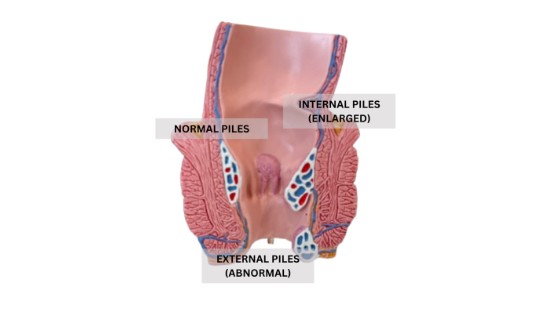
Hemorrhoids, or ambeien in Indonesian, are a normal part of our body. They are made up of connective tissue and blood vessels located in the anus, working with the anal muscles to help us maintain control of our stool to prevent leakage, a very basic and yet important bodily function. So, we are all born with hemorrhoids for this reason!
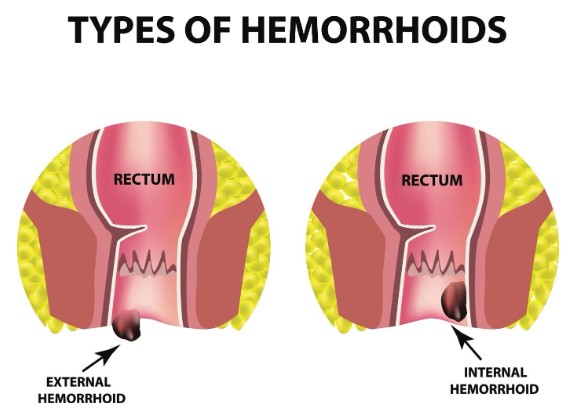
There are two types of hemorrhoids: internal and external. Internal hemorrhoids are normal and located inside the anus and not visible when not swollen. However, when they swell, they can cause symptoms like bleeding, itching and lumps. External hemorrhoids, on the other hand are never normal, and develop under the skin around the anus due to torn blood vessels. They typically are visible, painful lumps.
These symptoms can understandably be distressing, but remember, hemorrhoids disease is common and treatable. In the following sections, I’ll walk you through what causes these symptoms and the steps we can take to manage and prevent them.
Causes and Risk Factors of Hemorrhoids disease
Lifestyle factors are the major contributors to the development of hemorrhoids disease, comprising abnormal stool patterns (hard/constipation or loose/diarrhea), excessive straining and poor toileting habits like sitting too long on the toilet bowl.
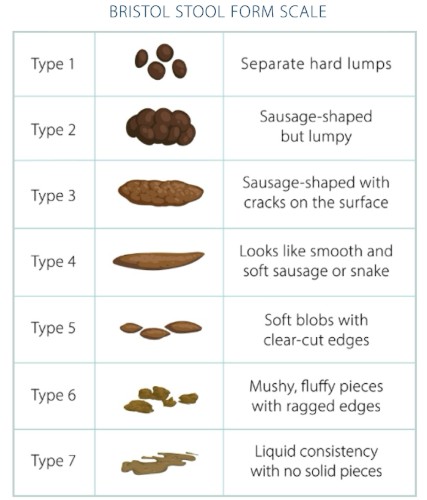
Abnormal stool patterns are a very common cause. The only normal stool should be shaped like a banana/sausage (Type 4 on the Bristol Stool Chart) as this is the least traumatic as it passes through the anus. Hard stools will traumatize the hemorrhoids, while loose stools lead to frequent bowel movements eventually causing similar trauma.
Excessive straining increases pressure on the blood vessels in the anal area, which can cause hemorrhoids to swell or become irritated. This is often due to a lack of understanding of what normal bowel patterns are, that is, straining when it is not time/when there is no real urge. Remember that not everyone needs to pass stools everyday; the normal range is from 3 times daily to once in 3 days. Similarly, excessive straining can even be due to certain sporting activities like weightlifting and cycling, where many strain more than they should.
Prolonged sitting—or worse squatting—on the toilet is another significant contributor. This behavior is often driven by the misconception that daily bowel movements are necessary and exacerbated by modern distractions such as smartphones. The moment one sits on the toilet, hemorrhoids start to descend and swell but if this is kept to less than 10 minutes, is usually reversible. So, remember to never bring in distractions like phones/reading materials and never sit on the toilet when there is no physical urge.
Obesity is another factor, as extra body weight can increase pressure on the veins in the pelvic and rectal areas, increasing the risk of hemorrhoids disease. This is especially true for people with a sedentary lifestyle, where reduced activity levels further contribute to other contributing factors like constipation.
Pregnancy is another factor, as the enlarging uterus puts added pressure on the pelvic and rectal veins. Hormonal changes during pregnancy can also lead to constipation, which, combined with the increased pressure, and finally the straining required during normal vaginal deliveries, often lead to hemorrhoids disease. Age is another factor; as we get older, the tissues supporting the blood vessels in the anal area may weaken, making hemorrhoids disease more likely.
Now it is easy to understand why so many people are affected by hemorrhoids disease! Medications and surgery are only a part of the treatment, and it is the identification and correction of these lifestyle factors that more significantly influence long-term treatment success and reduce the likelihood of recurrence.
Hemorrhoids Disease Can Mimic Other Conditions Like Cancer
Hemorrhoids disease commonly presents with symptoms such as bright red bleeding, often seen on toilet paper or in the toilet bowl after a bowel movement. Other signs include prolapse—when internal hemorrhoids enlarge and protrude outside the anus—along with itching or pain, which can be more pronounced with external hemorrhoids or if a blood clot (thrombosed hemorrhoid) forms.
It’s crucial to understand that these symptoms can also indicate more serious conditions like colorectal cancer. Self-diagnosing or self-medicating might delay an accurate diagnosis, potentially leading to serious consequences. Always consult a specialist to ensure you receive the right diagnosis and appropriate treatment.
Non-Surgical Treatment Options for Hemorrhoids
Non-surgical options play a crucial role alongside surgery in managing hemorrhoids effectively. As described earlier, lifestyle factors (apart from age and pregnancy) contributing to hemorrhoids disease must be corrected in order to achieve sustained relief and to minimize recurrence of symptoms.
A balanced diet incorporating all food groups is essential. While fiber is important for bowel health, excessive intake without adequate hydration may lead to bulkier stools, potentially contributing to constipation. In turn, hard stools lead to excessive straining, sitting on the toilet for too long and the inevitable swelling of hemorrhoids. So, eat ony enough fibre to maintain Bristol type 4 stool (banana or sausage shape), without getting bloated or flatulent. Don’t worry if you’re not having a bowel movement every day; the normal range is from 3 times per day to once in 3 days.
Exercise and hydration also play a crucial role. Drinking plenty of water throughout the day prevent stool from being too hard and makes it easy to pass. Exercise is also beneficial, as regular physical activity helps promote healthy bowel function.
Medications are also useful, in the form of either tablets or topical ointments. These help to reduce swelling and pain. Stool softeners are also helpful if stools are hard but should be avoided if stools are soft and watery, since the latter can also cause hemorrhoids swelling. Remember to always aim for type 4 stools, as this is the least traumatic to your anus.
For some individuals, particularly those who troublesome bleeding not responding to medications, and where the heemorrhoids are not large, a simple clinic procedure called rubber band ligation can be very helpful. This technique involves placing a small rubber band around the base of an internal hemorrhoid, cutting off its blood supply so it naturally shrinks. This can also be done at the time of colonoscopy when the patient is comfortably asleep. If symptoms persist, there are surgical options available, which I’ll cover in the next section.
Surgical Treatment Options for Hemorrhoids
For patients who have severe symptoms from the start or continue to experience significant discomfort, despite lifestyle adjustments and non-surgical treatments, surgery should then be the next step. These procedures help to get patients back to the “start line” after which you will still have to continue correcting lifestyle factors that caused the hemorrhoids disease in the first place.
One common surgical procedure is a hemorrhoidectomy. This is a widely used surgical method supported by clinical practice that involves the removal of the swollen parts of the hemorrhoids. The normal structure is preserved to maintain its role in ensuring stool continence. It’s typically recommended for larger hemorrhoids, especially for those that continue to cause pain, bleeding, or prolapse. Hemorrhoidectomy is commonly associated with symptom improvement when post-operative care is followed appropriately when appropriate post-operative care is followed. Another option is stapled hemorrhoidopexy, also known as the Procedure for Prolapse and Hemorrhoids (PPH). In addition to removing the swollen parts of the hemorrhoids, this procedure repositions them by stapling the tissue back up into place within the anal canal. I will discuss with you, which option is more suitable for your condition.
For those undergoing surgery, post-operative care and recovery are crucial. Most patients can expect some discomfort and mild bleeding, but bowel movements will be possible. Following post-operative care instructions can support recovery and reduce complications. Regular follow-ups are also important to monitor recovery progress and address any concerns promptly.
Surgical treatment, just like lifestyle and the non-surgical options mentioned, are effective but requires the cooperation of the patient, because it truly is a team effort for best outcomes.
Why Choose Dr Mark Wong for Hemorrhoid Treatment?
Dr Mark Wong is a Senior Consultant and Adjunct Assistant Professor specializing in minimally invasive colorectal and pelvic floor surgery. He has completed dual Ministry of Health fellowships in Minimally Invasive Colorectal Cancer and Pelvic Floor Surgery at well-known institutions in France and Denmark.
His practice includes laparoscopic and robotic surgical techniques, with experience managing complex colorectal conditions. Dr Wong is also regularly invited to speak at international medical conferences, reflecting his ongoing contribution to academic and clinical advancements in the field.
Mark Wong Surgery supports international patients, including those from Indonesia, through a Bahasa-speaking clinic staff member. Patients may also choose to communicate via WhatsApp, provided consent has been given in advance.
To learn more about available treatment options or to schedule a consultation, please contact the clinic.
Frequently Asked Questions (FAQ) about Hemorrhoids Disease
- What are the signs of hemorrhoids disease?Early signs include bleeding, pain, lumps and itching.
- Is hemorrhoids disease dangerous?It is not dangerous, but can be uncomfortable. However, certain symptoms like persistent bleeding may require more urgent attention, so it’s essential to consult a doctor for a proper diagnosis and treatment.
- Can I treat hemorrhoids at home?While lifestyle changes and over-the-counter treatments can relieve mild symptoms, it’s important to see a doctor for an accurate diagnosis and to avoid assuming your symptoms are due to hemorrhoids disease, when they may be due to colorectal cancer!
- When should I consider surgery for hemorrhoids?Surgery may be considered if non-surgical treatments are ineffective or when symptoms are severe such as bleeding and pain. A specialist like Dr Mark Wong can help you make an informed decision on the best course of action.
- How can I prevent hemorrhoids disease from recurring?Identifying and correcting all lifestyle factors triggering hemorrhoids disease is key; these include maintaining a balanced diet of all food groups to get Bristol type 4 stools, staying hydrated, avoiding excessive straining and prolonged sitting on the toilet. Regular follow-ups with your doctor can also ensure effective long-term management.
- Is it normal to have hemorrhoids?Yes, hemorrhoids are a normal part of the body’s anatomy, specifically the anus, helping us maintain continence to stool. They only become problematic when they are swollen.
- Can hemorrhoids lead to cancer?Hemorrhoids themselves do not lead to cancer, but some symptoms can overlap with cancer, such as bleeding, itching and lumps. It’s important to seek medical advice to rule out more serious conditions, especially when symptoms persist.
If hemorrhoids are affecting your daily life, relief is within reach. At Mark Wong Surgery, I’ll help you find the right treatment and a personalized plan to restore your comfort and confidence. Don’t let discomfort hold you back—contact us today and take the first step toward better health.