
Laparoscopic Surgery for Colorectal Cancer: A Patient’s Guide
- Written by: Dr Mark Wong
- Reading Time: 7 minutes

Dr Mark Wong MBBS, M.Med, FRCSEd, FAMS
Facing a colorectal cancer diagnosis can feel overwhelming, but understanding your treatment options is the first step toward taking control of your health. Laparoscopic surgery offers a minimally invasive, effective solution with quicker recovery and less discomfort. In this guide, we’ll explore how this minimally invasive surgical option can support your journey to better health.
Table of Contents
Introduction
Hello, I’m Dr Mark Wong, and I’m here to share about an important treatment option for colorectal cancer. Colorectal cancer is one of the most common cancers worldwide and a growing concern in Indonesia. Early detection is critical—when caught early, the five-year survival rate is over 90%, highlighting the importance of regular colonoscopy screenings.
Surgery remains the key treatment for colorectal cancer, and laparoscopic techniques now offer a minimally invasive option with smaller incisions, less pain, and quicker recovery. In this guide, I’ll walk you through this commonly used method that helps treat colorectal cancer with smaller incisions and faster recovery.
What Should You Know About Colorectal Cancer?
Colorectal cancer begins in the colon or rectum—parts of the digestive system responsible for absorbing fluids and storing waste. Colorectal cancer begins as small fleshy growths on the inner walls of the colon and rectum, called polyps, and as they enlarge over time, some become cancer.
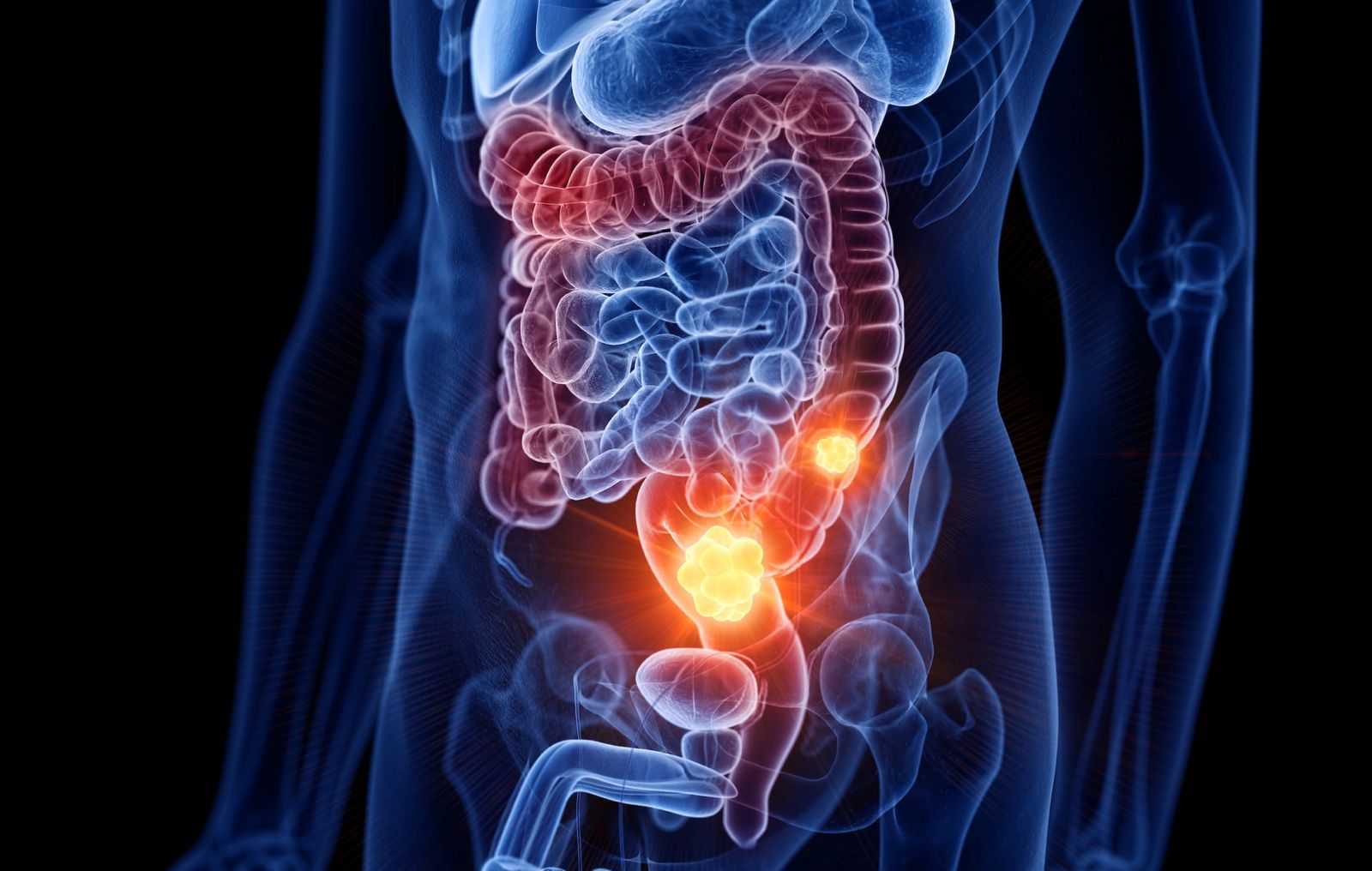
In its early stages, colorectal cancer often shows no symptoms, making regular colonoscopy screenings crucial for early detection. Even when symptoms like rectal bleeding or constipation appear, they’re frequently dismissed as minor issues or attributed to conditions like piles, leading to delays in diagnosis. Unfortunately, by the time symptoms like pain or unexplained weight loss develop, the cancer is usually in its late stages. It’s no surprise that over two-thirds of cases are diagnosed late.
By understanding the disease and its signs, you’re taking the first step toward prevention and early detection—steps that can truly save lives.
Causes and Risk Factors of Colorectal Cancer
Colorectal cancer doesn’t have a single cause, but several factors can increase your risk. Genetic mutations, either inherited or acquired, can lead to uncontrolled cell growth, triggering a change in polyps as they enlarge and transforming them into cancer.
Lifestyle choices also play a role. Diets high in processed meats and low in fiber, along with smoking, excessive alcohol, obesity, and inactivity, all contribute to the risk. Chronic inflammation from conditions like inflammatory bowel disease (IBD) further raises the chances of developing cancer.
Age is another major factor—most cases occur after 45. A family history of colorectal cancer also increases your risk, making screening essential.
Early detection is critical. Catching cancer in its early stages significantly improves treatment success and survival rates. Screening colonoscopy should start at age 45 or 10 years before the age of the youngest colorectal cancer diagnosis in your family, whichever comes first.
Diagnosing Colorectal Cancer – What to Expect?
Diagnosing colorectal cancer begins with screening and tests. A colonoscopy is the gold standard for screening, allowing me to examine the entire colon and rectum for any abnormalities. If polyps or abnormal growths are found, I’ll remove the polyp or take a small tissue sample for biopsy to confirm the diagnosis.
If cancer is confirmed, further scans like CT or MRI are needed to determine if cancer has spread to other parts of the body, providing a clearer picture to plan the most effective treatment.
Surgery remains the best treatment option, as it removes the source of cancer, and allows final staging to be established after complete analysis of the removed tissue. Chemotherapy and radiotherapy are typically used for more advanced stages.
What is Laparoscopic Surgery for Colorectal Cancer?
Laparoscopic surgery is the a widely practiced method for treating colorectal cancer. It’s a minimally invasive procedure that uses small incisions to insert a camera and specialized instruments, enabling precise removal of the diseased colon or rectum.
This approach offers benefits such as reduced postoperative pain, faster recovery, and a lower risk of complications like infections, helping patients return to their normal routines sooner.
In some cases, the entire colon can be removed while still allowing a normal life. The specific surgery—such as a right or left hemi-colectomy, anterior resection, or total colectomy—will be carefully tailored to the cancer’s location and stage.
Dr Mark Wong’s Approach to Laparoscopic Colorectal Surgery
Each patient is unique, I tailor each care plan based on the patient’s clinical condition and treatment needs. My approach is informed by clinical experience and adherence to safety protocols.
I adopt a multidisciplinary approach, working closely with specialists in oncology, cardiology and radiology when needed. This collaboration ensures a thorough evaluation and a treatment plan designed specifically for your condition and overall health.
I use minimally invasive laparoscopic methods to reduce recovery time. My goal is not just to treat the cancer but to support a smooth return to daily routines through structured follow-up care.
Minimally Invansive Techniques and Technology Used by Dr Wong
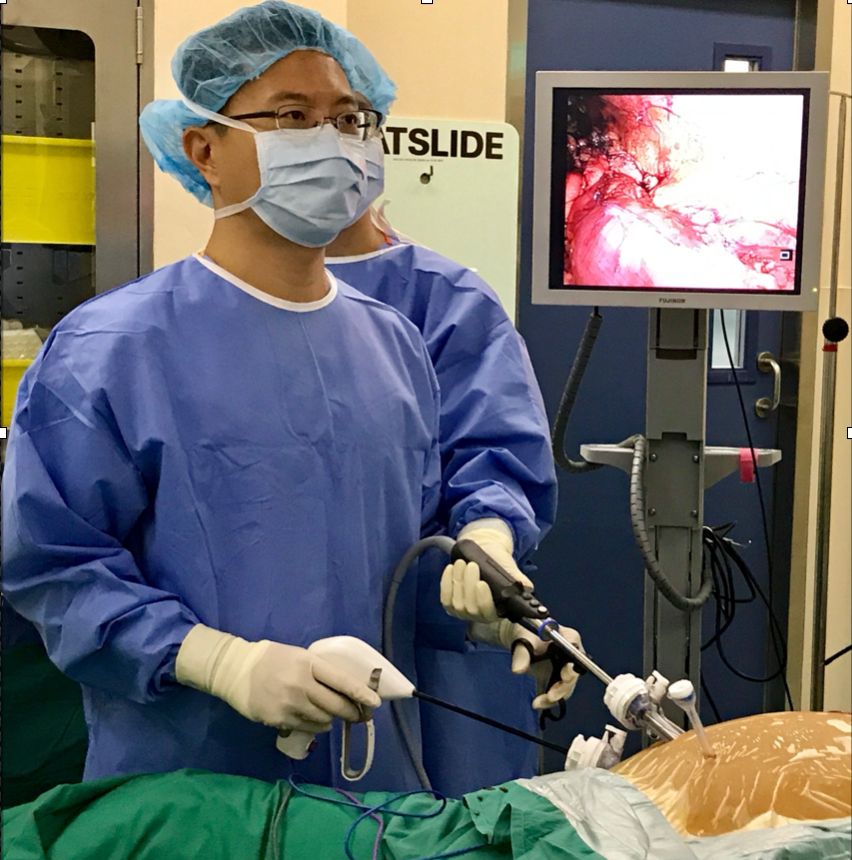
I use medical imaging systems designed to support accuracy during laparoscopic surgery. These tools offer a magnified view of the surgical area, helping me carry out the procedure with greater visual clarity. For certain patients, this approach may also support shorter hospital stays and recovery periods, depending on their condition and treatment response.
For more complex cases, robotic-assisted laparoscopy offers additional advantages, especially in tight spaces. This technology provides enhanced dexterity and stability, with robotic instruments mimicking the natural movements of a human wrist.
I stay updated with developments in minimally invasive surgery to apply techniques that support surgical accuracy and help reduce the risk of complications.
Preparing for Laparoscopic Colorectal Surgery
Preparation is key to a smooth surgical experience. Before your procedure, I’ll perform a thorough evaluation, including consultations and diagnostic tests like colonoscopy and imaging scans, to assess the cancer and your overall health.
You may need to adjust your diet and medications. A low-fiber diet and bowel preparation will be required to ensure the colon is clean. Blood-thinning medications and supplements will be paused for a specific period, with guidance from your other doctors if needed.
Mental preparation is just as important. Understanding the procedure and having your questions answered can help ease anxiety. I’m here to address your concerns and ensure you feel confident and ready for this important step.
What to Expect During and After the Surgery
During laparoscopic colorectal surgery, you’ll be under general anesthesia, ensuring you are comfortably asleep and safely monitored throughout the procedure. The surgery typically lasts 2 to 4 hours, depending on its complexity. Afterward, you’ll spend some time in the recovery area before being moved to your room.
Most patients stay in the hospital for 3 to 5 days. Pain will be managed with appropriate medications, and you’ll be encouraged to start walking with assistance early, as this helps restart bowel movements. Initially, you’ll be on a liquid diet, gradually transitioning to solid foods as your digestion improves.
At home, light physical activity like walking can aid recovery. Most patients resume normal activities within 2 to 3 weeks, though strenuous exercise should be avoided for at least a month.
Managing Potential Complications and Side Effects
It’s normal to feel some fatigue or mild pain at the incision sites after surgery. These symptoms typically improve as your body heals, and my team will provide personalized guidance to help manage them.
Temporary bowel changes, such as more frequent or loose stools, are also common but usually improve within a few weeks as you recover and transition to a solid diet.
Thanks to minimally invasive surgical techniques and careful monitoring, complications like bleeding or infections are rare. Regular follow-ups ensure your recovery is closely tracked, and any concerns are addressed promptly.
By staying informed and following care instructions, you’ll feel supported every step of the way as we work together toward a comfortable and successful recovery.
Why Choose Dr Mark Wong for Laparoscopic Colorectal Cancer Surgery?
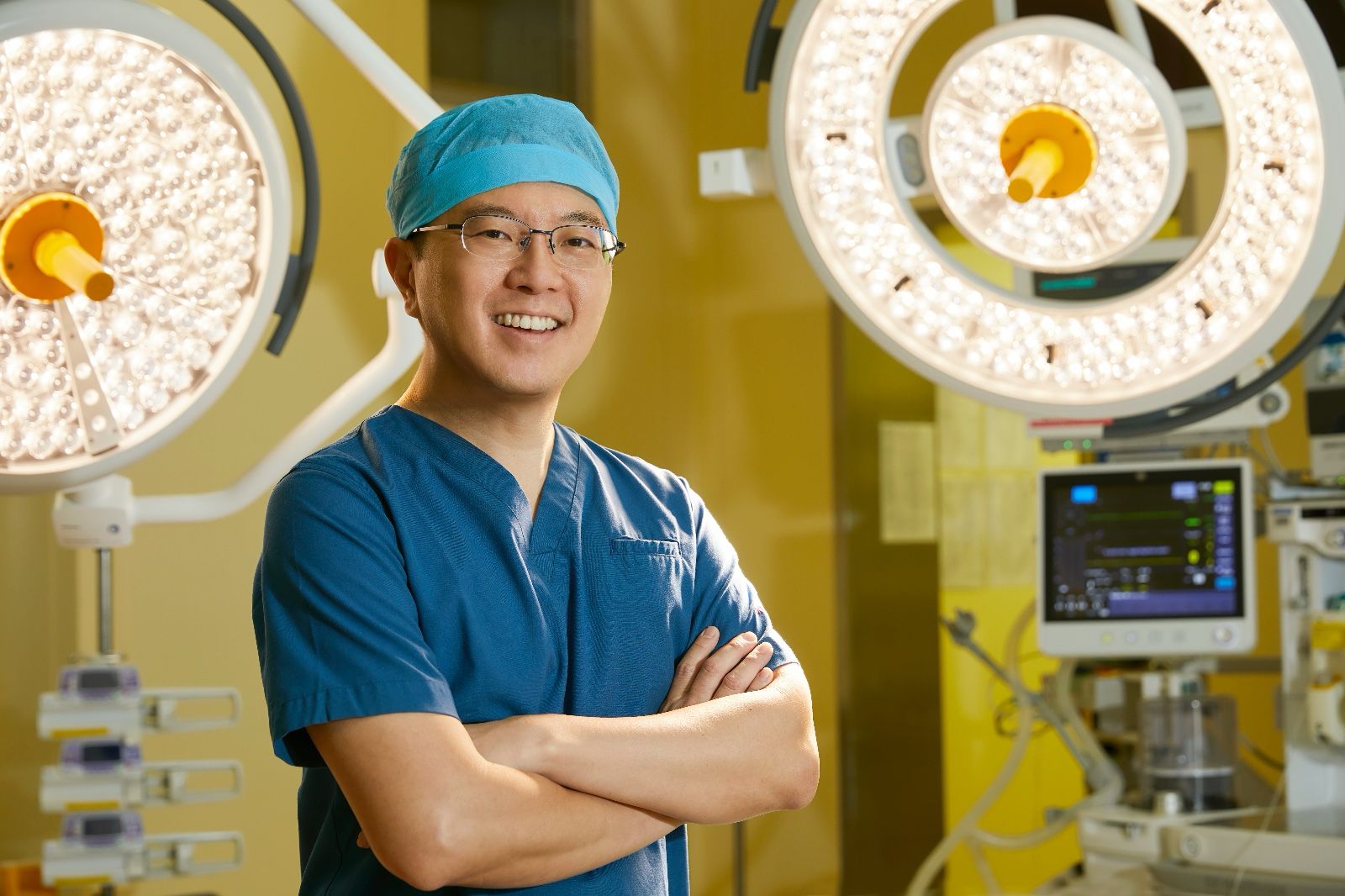
Surgical outcomes depend on several factors, including the surgeon’s training and the hospital’s care protocols. With more than 20 years of experience in laparoscopic and robotic colorectal procedures, I focus on applying evidence-based surgical methods. My training in France and Denmark informs my approach, and I work closely with a multidisciplinary team to evaluate each case and determine the most appropriate treatment plan.
At Mark Wong Surgery, we aim to support clear communication and continuity of care throughout your treatment. For Indonesian patients, we offer a Bahasa-speaking staff member and 24/7 WhatsApp support to ensure clear and seamless communication. I’m here to answer your questions, ease your concerns, and guide you with empathy throughout your treatment.
Our team focuses on clear communication and coordinated care throughout your treatment. With me, you’ll feel cared for every step of the way.
Frequently Asked Questions (FAQs)
Here are answers to some of the most common questions I receive about laparoscopic colorectal surgery.
- What is laparoscopic surgery for colorectal cancer?
It’s a minimally invasive procedure using small incisions, offering faster recovery, less pain, and fewer complications than traditional open surgery. - Who is a good candidate for laparoscopic colorectal surgery?
Most patients with Colorectal cancer are suitable. I will perform a thorough evaluation during my clinic consultations to ensure this approach is safe and suitable for you. - How long does recovery take after laparoscopic colorectal surgery?
Most patients resume light activities within 2-3 weeks, with a return to work in 4-6 weeks, depending on the procedure and overall health of the patient. - Are there risks with laparoscopic colorectal surgery?
While rare, potential risks include infection or bleeding. Advanced techniques and close monitoring significantly reduce these risks. - Why choose Dr Mark Wong for colorectal cancer surgery?
Dr Wong’s use of laparoscopic methods enables structured surgical planning for suitable cases.
To schedule a consultation, contact our Indonesia office today, where our Bahasa-speaking staff are ready to assist you every step of the way.